


Freeze-Thaw Damage Pacific Northwest
Winter in the Pacific Northwest brings more than just snow-covered landscapes and freezing nights. One of the most damaging and often overlooked winter threats to homes and commercial properties is Freeze-Thaw Damage Pacific Northwest.
When temperatures fluctuate above and below freezing, moisture expands, contracts, and moves in ways that can quietly cause serious damage. By the time the snow melts or spring arrives, property owners are often left dealing with costly repairs that could have been mitigated earlier.
Here’s what homeowners, property managers, and second-home owners in the PNW should be watching for and what to do if issues arise.
What Is Freeze-Thaw Damage?
Freeze–thaw damage occurs when water infiltrates small cracks, seams, or vulnerable areas of a structure, freezes as temperatures drop, expands, and then thaws again when temperatures rise. This repeated expansion and contraction slowly worsens existing weaknesses.
In regions like Northern Idaho, Eastern Washington, and the broader Pacific Northwest where winter temperatures frequently hover around freezing. This cycle can repeat dozens of times in a single season.
Common Freeze-Thaw Issues to Watch For
Burst or Leaking Pipes
When pipes freeze, pressure builds and can cause them to crack or burst. Damage often isn’t immediately visible and may only reveal itself once temperatures rise and water begins flowing again.
Warning signs:
-
Reduced water pressure
-
Unexplained water stains
-
Damp walls, ceilings, or flooring
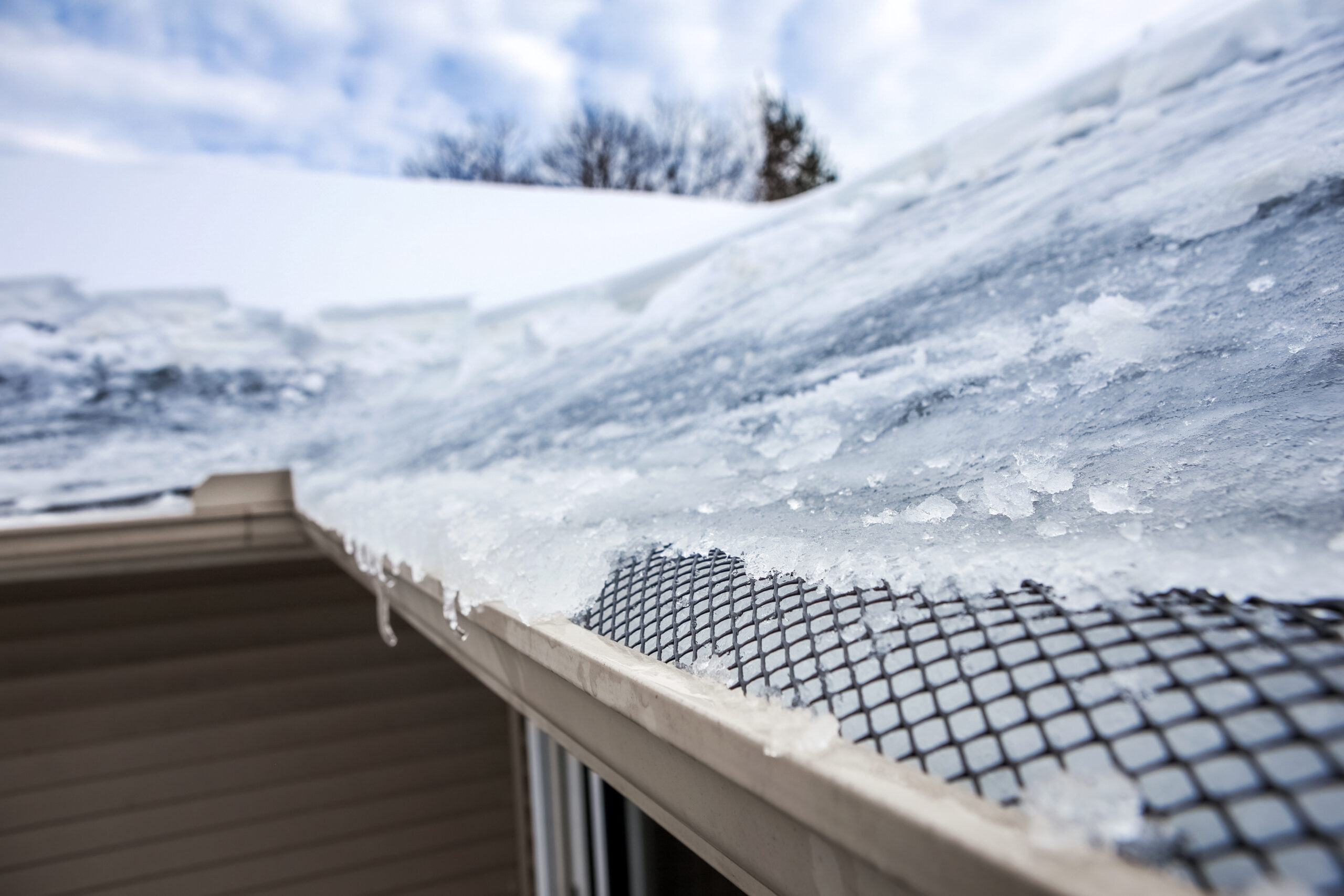
Ice Dams and Roof Leaks
Snow accumulation on roofs can melt during warmer daytime temperatures and refreeze at night near roof edges. This creates ice dams that prevent proper drainage, forcing water back under shingles and into the home.
Potential impacts:
-
Ceiling stains
-
Insulation saturation
-
Mold growth in attics
-
Structural wood rot
Foundation and Exterior Cracking
Moisture that enters small foundation cracks or exterior siding seams can expand during freezing temperatures, widening cracks and weakening structural integrity.
Often affects:
-
Foundations and footings
-
Concrete steps and walkways
-
Masonry, stucco, and siding
Crawl Space Flooding
Melting snow combined with frozen or saturated ground can cause water to pool in crawl spaces. Poor drainage or high water tables exacerbate the issue.
Risks include:
-
Structural wood deterioration
-
Insulation damage
-
Long-term moisture problems
Hidden Mold Growth
Mold doesn’t stop growing in winter. When water intrusion goes unnoticed, mold can develop behind walls, under flooring, or in crawl spaces often discovered weeks or months later.
Why Second Homes and Vacant Properties Are Especially Vulnerable
Second homes, vacation rentals, and vacant properties are at a higher risk during freeze–thaw cycles because issues often go unnoticed for longer periods. A slow leak or burst pipe can cause extensive damage before anyone is aware there’s a problem.
Regular inspections and having a trusted local mitigation partner can make all the difference.
How Disaster Response Can Help
Disaster Response provides 24/7 emergency mitigation, restoration, and repair services throughout the Pacific Northwest. Our experienced teams are trained to identify both visible and hidden damage caused by winter weather and freeze–thaw conditions.
Our services include:
-
Emergency water extraction and drying
-
Pipe burst response and mitigation
-
Ice dam and roof leak water damage cleanup
-
Mold inspection and remediation
-
Crawl space drying and moisture control
-
Structural drying and dehumidification
-
Full reconstruction and repair services
By addressing issues early, we help minimize damage, reduce repair costs, and restore properties safely and efficiently.
When to Call a Professional
You should contact a mitigation professional if you notice:
-
Any unexplained moisture or water intrusion
-
Musty odors or visible mold
-
Ceiling or wall staining
-
Frozen or previously frozen pipes
-
Standing water in crawl spaces or basements
Even if the damage seems minor, early intervention can prevent far more expensive repairs later.
Protecting Your Property This Winter
Freeze–thaw damage is often preventable with early detection, routine inspections, and fast response when issues arise. If your home or property has been impacted or you suspect hidden damage, Disaster Response is here to help.
Our team is locally based, experienced in Pacific Northwest conditions, and ready to respond when it matters most.