

Washington and Northern Idaho are experiencing major flooding, resulting in road closures, overwhelmed drainage systems, rising water tables, and significant damage to homes and businesses. When natural catastrophes hit this hard and this fast, it’s overwhelming to know what to do and what not to do. If you are in need of flood damage restoration Northern Idaho and Washington, call Disaster Response.
This guide breaks down the critical steps homeowners, renters, property managers, and HOAs should take when dealing with floodwater, along with how Disaster Response steps in to protect your property, prevent long-term issues, and get your life back to normal.
Why Flooding Happens and Why It’s Getting Worse
Recent storms across Washington and Northern Idaho have brought unusually high precipitation, rapid snowmelt, and over-saturated ground. Combined with aging infrastructure and high water tables, the perfect storm is created for:
-
Crawl spaces filling with standing water
-
Sewage backup
-
Flooded basements
-
Foundation erosion
-
Mold growth within 24–48 hours
-
Electrical risks in submerged areas
Even properties that have never flooded before are seeing water intrusion this year.
Flooding isn’t just inconvenient — it can lead to long-term structural issues, contaminated air, and thousands in preventable repairs.
First Steps to Take If Your Home or Property is Flooding
If you see water entering your property, follow these immediate steps:
Step 1: Stay safe
-
Avoid contact with floodwater — it is often contaminated.
-
Turn off electricity to flooded areas if safe to do so.
-
Do NOT enter flooded crawl spaces or basements without professional guidance.
Step 2: Document everything
Insurance companies require proof, so take:
-
Photos and videos
-
Notes on when you noticed the water
-
Any visible changes (odor, discoloration, bubbling walls, etc.)
Step 3: Contact a restoration professional immediately
Flood damage worsens quickly. Mold growth begins in as little as 24 hours.
This is where Disaster Response steps in.
What Disaster Response Does During a Flooding Event
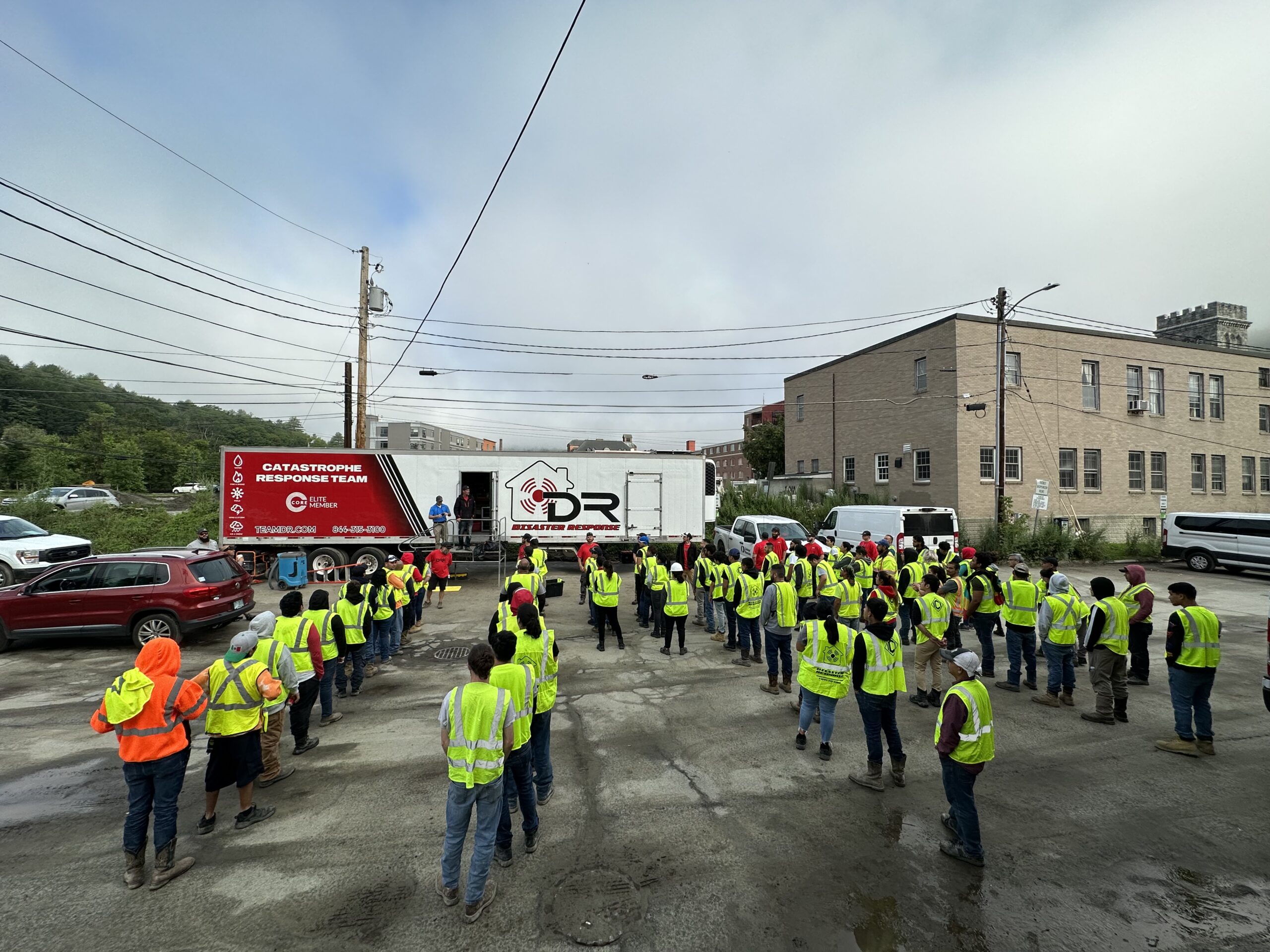
When you call us, we respond immediately with a proven, strategic process designed for fast mitigation and long-term protection.
- Emergency Water Extraction
- We remove standing water from crawl spaces, basements, and interior living areas — stopping active damage in its tracks.
- Structural Drying & Moisture Mapping
- We use advanced drying equipment to bring your property back to safe levels and prevent hidden moisture pockets that lead to mold.
- Mold Prevention & Remediation
- Floodwater + time = mold.
- We treat affected areas with industry-standard antimicrobial solutions and implement prevention measures.
- Contaminated Water Clean-Up
- Category 2–3 water (grey/black water) requires specialized cleaning and sanitization to make the space safe again.
- Long-Term Solutions for High Water Tables
- For homes experiencing recurring flooding — especially in Northern Idaho and Washington’s saturated ground — we offer:
- Sump pump installation
- Foundation drainage improvement
- Vapor barrier replacement
- Crawl space encapsulation
- Ongoing moisture monitoring
- For homes experiencing recurring flooding — especially in Northern Idaho and Washington’s saturated ground — we offer:
These solutions save homeowners and HOAs thousands every year by stopping repeat flooding.
Flood Damage for HOAs, Property Managers, and Commercial Buildings
Many buildings in Washington and Northern Idaho are built on high water tables. With current weather patterns, HOA communities and commercial properties are feeling the strain.
Common issues we’re seeing:
-
Water intrusion in multi-unit crawl spaces
-
Drainage systems overwhelmed
-
Shared walls absorbing moisture
-
Mold forming in utility rooms
-
Elevator shafts taking on water
-
Parking garages flooding
Disaster Response provides:
-
Community-wide inspections
-
Phased restoration to support cash flow
-
Long-term mitigation recommendations (sump pumps, drainage, moisture control)
-
Clear documentation for insurance and board meetings
We help boards make informed, budget-friendly decisions `without sacrificing the safety of their residents.
Insurance: What You Need to Know During a Flood
Flooding is one of the most confusing insurance categories. Here’s the quick breakdown:
-
Sudden water damage is often covered.
-
Groundwater flooding may require flood insurance to qualify.
-
Mold from delayed response is often not covered.
We help you understand your policy, document your loss, and communicate with adjusters to ensure nothing is missed.
How to Prevent Flooding in the Future
While no solution is 100% flood-proof, these steps dramatically reduce your risk:
-
Install and maintain sump pumps
-
Ensure gutters, downspouts & drainage systems are functioning properly
-
Seal cracks in the foundation
-
Maintain proper grading around your home
-
Inspect crawl spaces seasonally
-
Install vapor barriers
-
Test backup power systems for pumps
Disaster Response offers preventative inspections to help get ahead of the next storm.
When to Call Disaster Response
If any of the following are true, call immediately:
-
Water in your crawl space
-
Flooding in your basement
-
Visible mold
-
Strong musty odors
-
Soft or sagging floors
-
Condensation or moisture inside walls
-
Water pooling around your foundation
-
Repeated water intrusion year after year
The faster we respond, the more damage we can prevent.
Disaster Response: Your Local Flood and Catastophe Experts
We’ve been serving the Northwest since 2011, helping homeowners, HOAs, and businesses recover from the worst natural disasters and rebuild stronger. During this active flooding event in Washington and Northern Idaho, our crews are fully staffed and ready to respond. If you are in need of flood damage restoration Northern Idaho and Washington, call Disaster Response.
If you’re experiencing water intrusion or want a preventative inspection, call us:
📞 Call: 844-315-3100
🌐 Visit: DisasterResponse.us
📍 Serving Idaho, Washington, and Oregon