


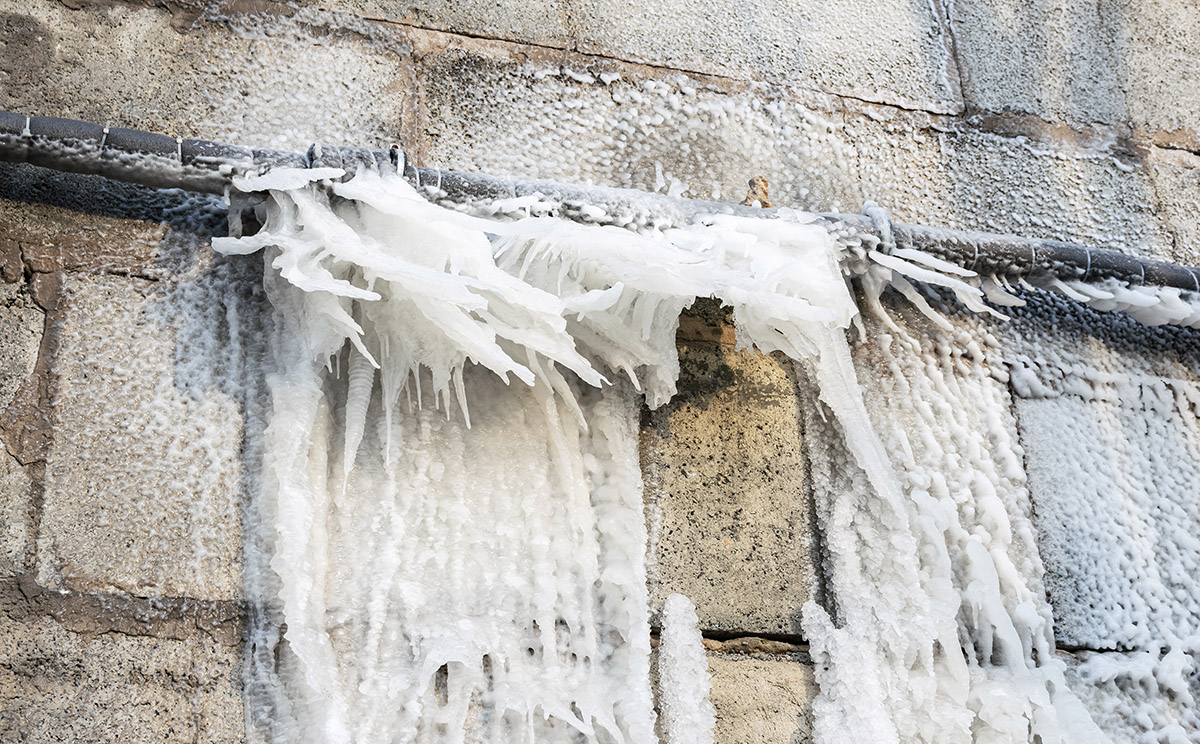
As winter continues across Idaho, Oregon, and Washington, cold temperatures increase the risk of pipes freezing in homes throughout the Pacific Northwest. Detecting frozen pipes early can help prevent water damage that may only become visible once temperatures rise in the spring. Below are common warning signs that can help you identify frozen pipes before they lead to structural damage and costly repairs.
5 Signs Your Pipes Are Frozen
Frozen pipes most often occur where water pipes are exposed to cold air and lack proper insulation. Areas such as crawl spaces, basements, exterior walls, and underfloor spaces are especially vulnerable, as temperatures in these spaces can drop well below those in the rest of the house. Knowing how to detect frozen pipes early is critical to protecting your home and avoiding extensive restoration work.
Slow Running or No Water
One of the earliest and most noticeable signs of frozen pipes is a change in water flow when you turn on a faucet. If a faucet is turned on and only a weak stream comes out (or no water flows at all), it may indicate that a frozen section is blocking the water supply somewhere in your water pipes.
Paying attention when you turn on sinks, showers, or tubs (especially in colder areas of the house, like a crawl space or near exposed pipes) can help you detect problems early.
Monitoring the consistency and strength of your water flow is an effective way to identify frozen pipes before major damage occurs.
Visible Frost Around Pipes
Another clear warning sign of frozen pipes is visible frost forming on the outside of the pipe. This is most common on exposed pipes located in colder areas of the home, such as a crawl space, basement, garage, or along exterior walls where heating may be limited.
When frost appears on a pipe, it often means the water inside is frozen or near freezing.
Bad, Musty Odors From Drains
Unusual or persistent odors coming from your drains can be another sign of frozen pipes, especially during extended cold weather. When a frozen pipe restricts the normal flow of wastewater, materials such as food particles, grease, and debris can become trapped in the line. As this buildup sits in a frozen area, it can produce strong, unpleasant smells that travel back through sinks, tubs, or floor drains.
Slow Drainage
Slow or blocked drains during cold weather can be another sign of frozen pipes. When a frozen pipe restricts water flow, it prevents wastewater from moving freely through your plumbing system. This can cause sinks, tubs, or floor drains to empty more slowly than usual or stop draining altogether.
Bulging Pipes
Because water expands when it freezes, pressure can build rapidly inside water pipes, causing them to bulge or deform. Bulging is a serious warning sign that a frozen pipe is under stress and may be close to bursting.
Once pipes begin to bulge, the risk of failure increases significantly. If temperatures rise, the ice may thaw, and melting water can drip or rush out of a cracked pipe, causing immediate water damage and costly repairs. At this stage, quick action is critical. Contact a professional plumbing service immediately.
3 Signs for Frozen Burst Pipes
No matter how durable your plumbing pipes may be, frozen water expands. It puts intense pressure on the pipe walls. When a frozen pipe cracks or bursts, it can release a steady flow of water, leading to basement flooding, structural damage, and costly repairs. Even small, hidden cracks can cause ongoing leaks that cause significant water damage if the problem goes unnoticed.
Water Meter Not Matching Water Usage
A water meter reading higher than normal can be a warning sign of a frozen pipe that has cracked or burst. When frozen pipes thaw, even small cracks can allow water to leak continuously, often in hidden areas like crawl spaces, walls, or beneath the house.
To check for a possible issue, make sure all water sources in your home are shut off and no faucet is turned on. Take an initial reading of the water meter, then wait a couple of hours without using any water. If the meter reading changes during that time, it may indicate a hidden leak caused by a damaged water pipe or frozen pipeline.
Strange Sounds Heard in the Pipes
Unusual noises from your pipes are useful for hidden leak detection. When frozen pipes crack or burst, water may begin escaping into walls, ceilings, or a crawl space, often producing a hissing or rushing sound even when no faucet is turned on.
If you notice gurgling or bubbling when you turn on a faucet, it may indicate trapped air caused by a frozen section restricting normal water flow through the pipes. Whistling, knocking, or clanking sounds are especially concerning, as they can indicate active water movement from a damaged pipe in an enclosed space.
Water Damage
When a frozen pipe bursts, it can release a large volume of water into your home quickly. Even a small crack in water pipes can allow moisture to escape slowly, causing damage that may go unnoticed until it becomes severe. As melting water can drip into walls, ceilings, or a crawl space, the risk of long-term structural issues increases.
Common signs of water damage caused by frozen pipes include:
-
- Peeling or bubbling paint and wallpaper
- Structural damage such as sagging, cracking, or soft spots in walls and ceilings
- Strong, musty odors indicate mold growth
- Discoloration or dirt-like stains in green, black, or orange shades, which also indicate mold growth
If you suspect damage from a frozen water pipe, immediate action is critical. Contact our 24/7 emergency restoration service for burst pipe repair and home restoration in PNW.
Request Our Services for Burst Pipe Repair and Water Damage Restoration
Intervening early when frozen pipes are detected can help prevent them from bursting and save you from costly water damage. Knowing how to detect frozen pipes and acting quickly when a pipe does burst is essential for limiting damage to your home and belongings.
If you’re dealing with a burst pipe, our team is ready to help. We provide professional burst pipe repair and water damage restoration services designed to stop the water source, dry affected areas, and restore your home as efficiently as possible.
When emergencies happen, timing matters. You can request service 24/7, and our team will respond promptly to help you take control of the situation and begin the restoration process right away.
Frequently Asked Questions
What Can I Do Immediately for Frozen Pipes?
If your pipes are frozen, here are the immediate steps to take:
-
- Shut off your water at the main shutoff valve.
- Turn on all your faucets. By turning on the faucets with the main shutoff valve open, you help relieve pressure that can cause pipes to burst.
- Slowly warm up frozen pipes with gentle heat. This can be done by wrapping an electronic heating pad around the pipe, using a hair dryer on it, or wrapping towels soaked in hot water around it. Do so until water runs normally. You may hear grinding, clanging, or banging sounds as the ice begins to move.
- Slowly turn the water back on at the main shutoff valve. Inspect for leaks. If leaks are detected, turn the water off again and contact a plumber.
How Can I Prevent Frozen Pipes in the Future?
There are many ways to prevent frozen pipes, such as:
-
- Add pipe insulation to exposed pipes to reduce the chances of freezing.
- Warm the air around the pipes by using a space heater or opening cabinet doors under sinks when your heat is on.
- Keep a small amount of water running from the faucets, as water is less likely to freeze if it’s continuously flowing through the pipes.
Will My Insurance Cover Damage from a Frozen Water Pipe?
Damage from a frozen water pipe depends on your insurance coverage. If you cannot contact your property insurance yet to confirm coverage, we recommend documenting everything, including the time you noticed the problem and the steps you took to repair it.
Professional plumbing maintenance records can also serve as proof that you have taken necessary precautions.
By documenting everything you need, you increase your chances of successfully securing insurance claim coverage—if those items are included in your property insurance policy.