


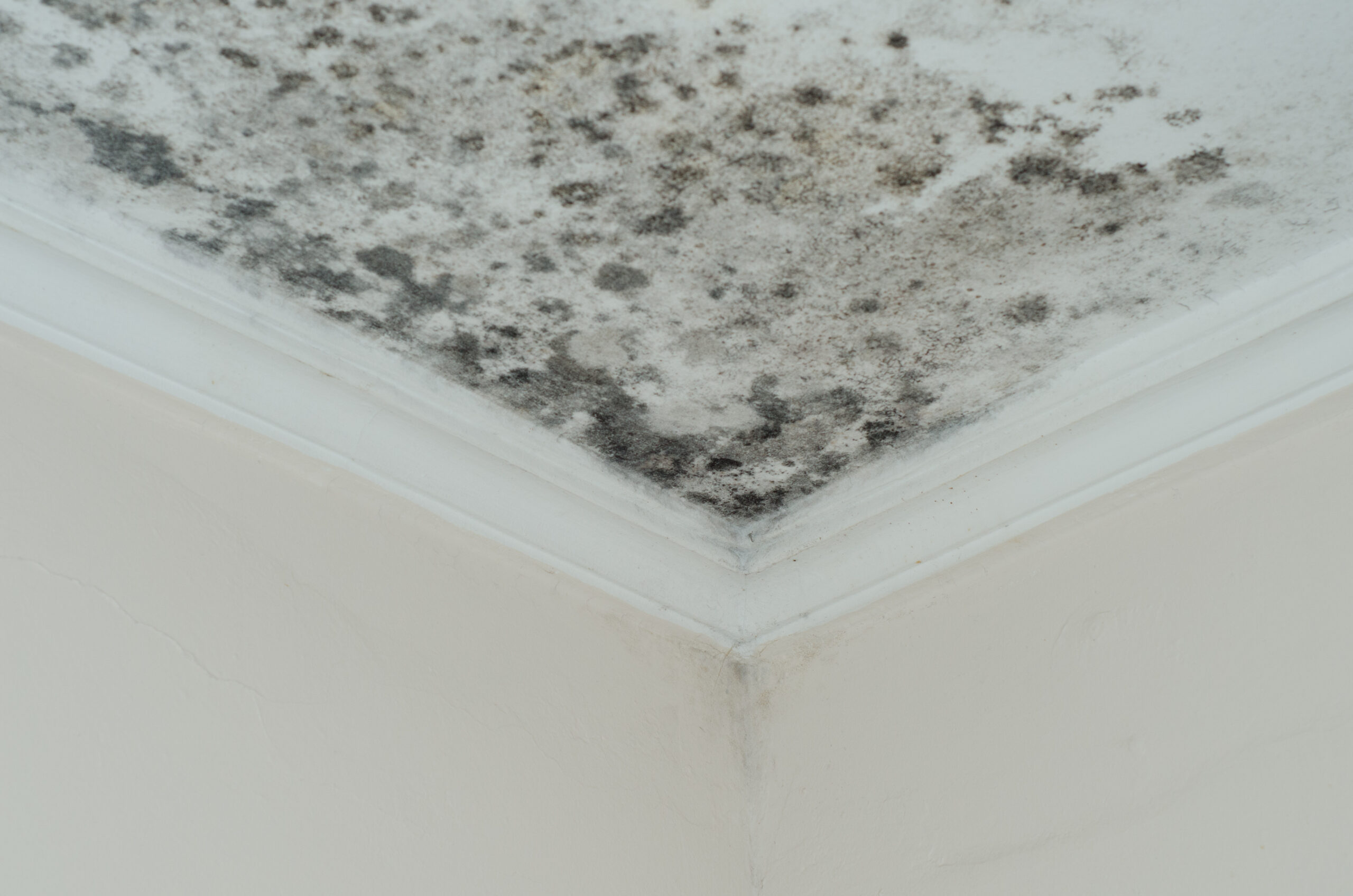
How To Identify Mold In Your Home
Noticing Something Suspicious?
You walk into your bathroom, basement, or garage and notice a dark spot creeping across the wall. Is it dirt? Water damage? Or could it be mold? How to identify mold in your home early and knowing what to do about it can save you money, protect your health, and prevent major structural damage.
What Does Mold Look Like?
Mold can appear in many forms, but here are a few telltale signs:
-
Color: Typically black, green, gray, or white, but it can also appear orange or pink in bathrooms.
-
Texture: Fuzzy, slimy, or powdery.
-
Odor: A musty, damp smell that doesn’t go away even after cleaning.
-
Growth pattern: Often spreads in irregular patches and may return after you wipe it away.
Pro Tip: If you’re cleaning an area and it keeps coming back, it’s likely mold, not just dirt.
Where Does Mold Commonly Grow?
Mold thrives in damp, poorly ventilated areas. Common hotspots include:
-
Basements and crawl spaces
-
Bathrooms and laundry rooms
-
Around windows or leaky roofs
-
Behind drywall after a plumbing leak
-
HVAC systems and vents
-
Attics with poor ventilation
If you’ve recently had a leak, flood, or high humidity, you should be especially vigilant on how to identify mold in your home.
Is Mold Dangerous?
-
Yes, certain types of mold, like Stachybotrys chartarum (black mold), can produce mycotoxins that may trigger:
-
Allergies or asthma
-
Headaches
-
Eye, nose, or throat irritation
-
Fatigue or respiratory issues
Even non-toxic molds can damage building materials and cause costly repairs if left unchecked.
-
What Should I Do If I Suspect Mold?
Here’s a simple action plan on how to identify mold in your home:
-
Don’t Disturb It.
Scrubbing or spraying can release spores into the air and spread the problem. -
Identify the Source.
Mold always has a moisture source: leaking pipe, condensation, or roof damage. Stopping the water is the first step. -
Call in a Professional.
DIY testing kits often give unreliable results. A professional inspection ensures proper testing and a safe remediation plan. -
Document the Damage.
Take photos and notes for your insurance company. Disaster Response works directly with all major carriers and can help guide you through the claims process. -
Remediate and Restore.
Our certified technicians at Disaster Response will safely remove mold, decontaminate affected areas, and restore your property to pre-loss condition.
How to Prevent Mold Growth
Once the damage is repaired, follow these prevention tips:
-
-
Keep humidity levels below 50%.
-
Use exhaust fans in bathrooms and kitchens.
-
Inspect basements, attics, and crawl spaces regularly.
-
Fix leaks immediately.
-
Clean and service HVAC systems annually.
-
When to Call Disaster Response
If you’re wondering how to identify mold in your home, don’t take chances.
Disaster Response provides 24/7 emergency response, professional mold inspections, safe remediation, and full reconstruction services.
We’re here to help you breathe easier and live safely again.
📞 Call 844-315-3100
🌐 Visit disasterresponse.us