
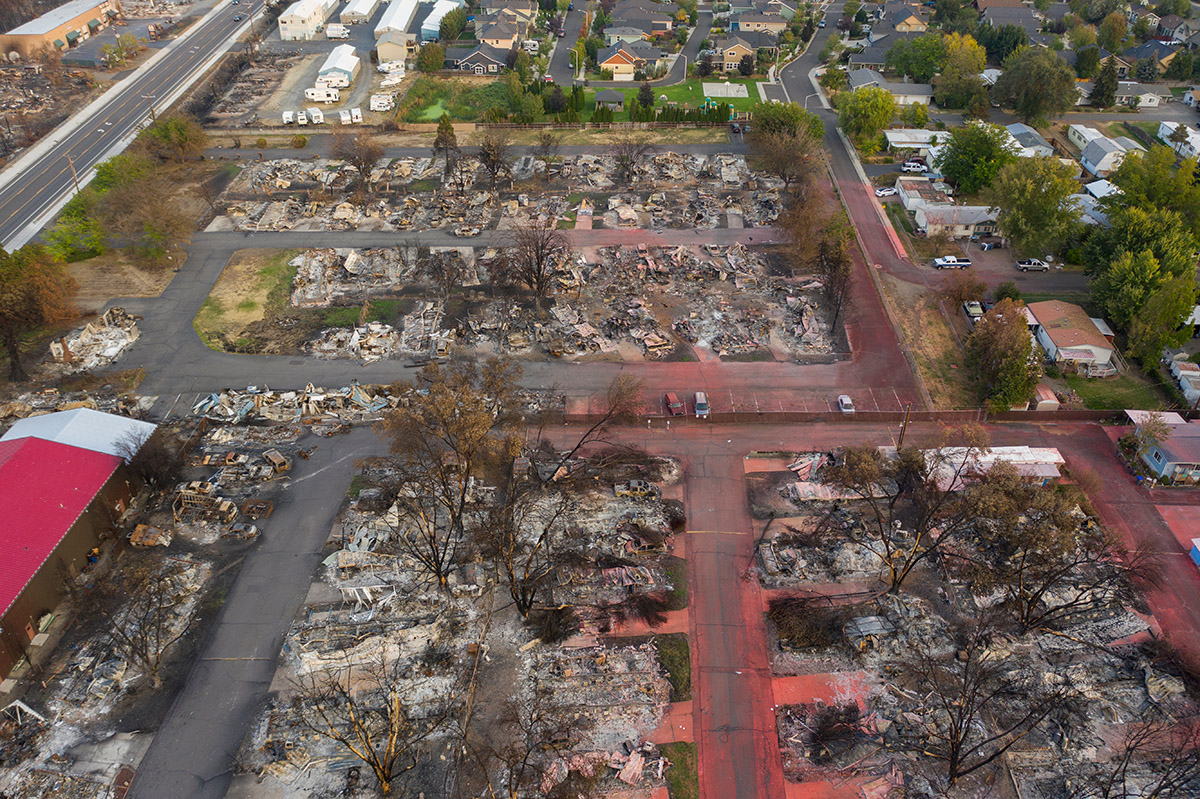
An evacuation order can turn life upside down in minutes. Once the immediate danger begins to pass, it is understandable to want to return home as quickly as possible. However, returning home after a wildfire can expose you to hazards that are difficult to see, including unstable structures, downed power lines, damaged utilities, hot ash, contaminated water and hazardous debris.
Even if your home appears untouched from the road, do not assume it is safe to enter. Fire, smoke, wind, falling trees, firefighting water and power outages can all cause damage beyond the burned area.
This wildfire re-entry checklist explains what to do before you approach the property, what to inspect before going inside and how to begin documenting and restoring your home safely.
1. Wait for Official Wildfire Re-Entry Authorization
Do not return simply because smoke has cleared, roads appear open or a mapping app shows the fire moving away. Wait until local fire, law-enforcement or emergency-management officials have authorized re-entry for your specific evacuation zone.
Ready.gov advises residents not to return home until authorities say it is safe. Conditions can change quickly, and an area may remain closed because of active fire, damaged roads, falling trees, utility hazards or ongoing emergency operations.
Official re-entry authorization applies to the evacuation zone or neighborhood; it does not certify that every individual home is safe to enter.
Before leaving your temporary location:
- Confirm your evacuation zone has officially reopened
- Check local road closures and approved travel routes
- Bring identification and proof of address in case access is controlled
- Tell someone where you are going
- Take a charged phone, flashlight, drinking water and basic protective equipment
- Leave children and pets somewhere safe during the initial inspection
Official permission to enter a neighborhood does not guarantee that every individual building is safe.
2. Approach the Property Carefully
Slow down as you enter the affected area. Watch for emergency crews, heavy equipment, road damage and debris. Wildfire hazards can remain after visible flames are gone.
Stay away from:

- Downed, dangling or damaged power lines
- Utility poles or trees that are leaning, cracked or burned
- Hot ash, smoldering debris and underground ash pits
- Damaged propane tanks, fuel containers or chemical containers
- Loose rock, unstable slopes and areas affected by erosion
- Firefighting operations and marked restricted areas
Do not drive over downed lines or through deep ash and debris. If a power line is touching your vehicle, remain inside unless the vehicle itself is on fire and call 911 for instructions.
3. Inspect the Exterior Before Entering
Walk around the property only if the area has been cleared and you can do so without crossing debris or unstable ground. Look at the building from a safe distance before approaching doors or porches.
Warning signs of possible structural fire damage include:
- A sagging, partially collapsed or visibly damaged roof
- Cracks or movement in the foundation
- Leaning exterior walls
- Damaged porches, stairs, decks or overhangs
- Broken windows or doors that no longer fit their frames
- Burned structural supports or exposed framing
- Heavy debris resting against the building
- New gaps, shifting or unusual sounds
Do not enter if the structure looks unstable. Floors and walls may be weaker than they appear. A professional fire damage inspection may be needed before anyone goes inside.
4. Stop Immediately if You Smell Gas or See Utility Damage
If you smell gas, hear hissing or see a damaged gas line, leave the area immediately. Do not operate light switches, appliances, vehicles or anything else that could create a spark. Call 911 or the utility provider from a safe location.
Never turn electricity, gas or water back on yourself after officials or emergency crews have disconnected them. The U.S. Fire Administration advises residents not to restore disconnected utilities without professional clearance.
Electrical service should be evaluated when there are burned components, wet wiring, damaged panels, melted outlets or signs that water entered the system. Propane tanks, solar batteries, electric vehicles and other energy-storage systems can also remain hazardous after fire exposure.
5. Wear Protective Equipment and Limit Ash Exposure
Ash from burned vegetation is not the same as ash from homes, vehicles and stored products. Structural fire debris may contain glass, nails, sharp metal and residues from paints, fuels, electronics, batteries, plastics and household chemicals.
For a brief initial inspection, wear:
- Sturdy boots with thick soles
- Long pants and long sleeves
- Work gloves
- Eye protection
- A well-fitting NIOSH-approved N95 respirator when ash or fine particles are present
Avoid dry sweeping, leaf blowing or using an ordinary shop vacuum on ash. These actions can put fine particles back into the air. A properly equipped HEPA vacuum and cleaning methods appropriate for the affected surface are preferred.
Children, pets, older adults and people with heart or lung conditions should stay away from ash and active cleanup work. Professional wildfire ash cleanup may be necessary when debris is widespread, came from burned structures or includes unknown materials.

6. Document Wildfire Property Damage Before Cleanup
Before moving items, cleaning surfaces or making repairs, document wildfire damage with photographs and video. Good insurance documentation begins before cleanup, with both wide views and close-up details.
Record:
- Every side of the building and the roof when visible from the ground
- Windows, doors, siding, decks and outbuildings
- Structural damage, ash, soot and water damage
- Each affected room before items are moved
- Damaged furniture, appliances and personal belongings
- Model and serial numbers when they can be accessed safely
- Damaged HVAC components, filters and utility systems
- Trees, fencing, landscaping and other insured property
Contact your insurance carrier as soon as practical. Ask what documentation is required, whether an adjuster must inspect before cleanup and what temporary measures are authorized. Keep receipts for lodging, meals, supplies, temporary repairs and other wildfire-related expenses.
Do not discard damaged property until your carrier tells you how to proceed, unless an item presents an immediate safety hazard and authorities direct its removal.
7. Check for Smoke, Soot and Water Damage Inside
A home does not have to burn to sustain wildfire property damage. Smoke and fine ash can enter through doors, windows, gaps and ventilation systems. Firefighting water, damaged plumbing or roof openings can also create secondary water damage.
During a safe interior inspection, look for:
- Persistent smoke or chemical odors
- Fine ash or soot residue on indoor surfaces
- Water on floors or staining on walls and ceilings
- Wet insulation, drywall, carpet or contents
- Dirty or smoke-affected HVAC filters
- Smoke odor coming from supply registers
- Warped flooring, cabinets or doors
- Visible mold or damp materials after prolonged moisture exposure
Do not power on electronics or appliances that are wet, heat-damaged or contaminated with ash. If smoke entered the property without direct flame contact, see our guide to wildfire smoke damage inside a home.
Professional smoke damage restoration may involve surface cleaning, HEPA filtration, odor removal, HVAC evaluation and specialized contents cleaning. Water extraction and structural drying may also be needed when firefighting or utility damage introduced moisture.
8. Check Drinking Water and Private Wells
Follow local public-water advisories before drinking tap water or using it for cooking, brushing teeth, making ice or preparing infant formula.
Private wells can be damaged or contaminated by wildfire, loss of pressure, heat-damaged components or firefighting activities. The Centers for Disease Control and Prevention advises that private wells may be unsafe after a wildfire.
Until the water has been cleared or appropriately tested:
- Use bottled water for drinking and food preparation
- Do not rely on appearance, smell or taste to determine safety
- Inspect visible well components for heat or physical damage
- Follow instructions from local health officials or a qualified well professional
Boiling does not remove every possible chemical contaminant, so follow the specific guidance issued for your water system.
9. Evaluate Food, Medication and Refrigerated Items
Food safety after a wildfire requires extra caution. If the power was out, check refrigerated and frozen food before consuming anything. When the duration of the outage is unknown, use caution.
The CDC advises discarding perishable refrigerated food after four hours without power. Food should also be discarded if it was exposed to heat, ash, smoke, firefighting chemicals or damaged packaging. Do not taste food to decide whether it is safe.
Contact a pharmacist or healthcare provider about medications that require refrigeration or were exposed to heat, smoke or contamination.
10. Secure the Property Without Creating New Hazards
If windows, doors or roofing were damaged, the home may be exposed to weather, animals, theft and additional property damage. Ask your insurance carrier which temporary protective measures are authorized.
Emergency board-up services may include:
- Covering broken windows and damaged doors
- Tarping roof openings when it can be done safely
- Stabilizing accessible openings
- Installing temporary fencing or access controls
- Protecting the property from rain and unauthorized entry
Do not climb onto a fire-damaged roof or attempt temporary repairs on an unstable structure. Professional board-up and property stabilization can help prevent further damage while inspections and insurance decisions are underway.
11. Protect and Inventory Your Belongings
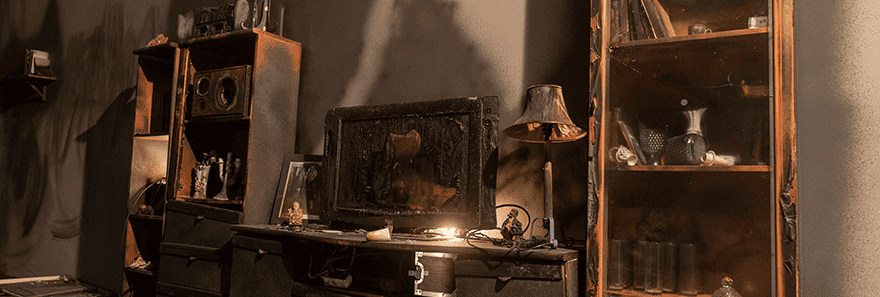
Do not assume every smoke-, soot- or water-affected item must be discarded. Clothing, furniture, electronics, documents, photographs, artwork and household goods may be restorable depending on the material and type of exposure.
A professional contents restoration team can create a detailed contents inventory and:
- Photograph and inventory affected belongings
- Identify items that may be safely restored
- Pack and transport salvageable contents
- Clean and deodorize hard and soft goods
- Arrange specialized care for electronics, documents and textiles
- Store restored items securely while the building is repaired
Avoid scrubbing delicate belongings or applying household chemicals before they are evaluated. The wrong cleaning method can set soot stains or cause additional damage.
12. Know When to Call a Professional Restoration Company
Not every property requires extensive restoration. However, professional help is recommended when:
- The building may have structural, electrical or utility damage
- Ash or soot affects multiple rooms
- Smoke odor remains after outdoor air quality improves
- Firefighting water or a damaged roof has wet building materials
- The HVAC system may have circulated smoke or ash
- Important belongings need specialized cleaning
- Windows, doors or roofing require emergency protection
- The cleanup area is too large or hazardous to manage safely
Disaster Response provides fire and smoke damage restoration, emergency board-up, water extraction, structural drying, contents restoration and reconstruction throughout Idaho, Washington and Oregon.
Our teams serve homeowners and businesses from offices including Spokane and Fruitland, which serves Weiser and surrounding western Idaho communities.
A Final Reminder Before Returning Home After a Wildfire
The safest recovery is a deliberate one. Wait for official clearance, inspect the property from the outside first and do not enter a structure that appears unstable. Leave damaged utilities, hazardous debris and extensive ash cleanup to qualified professionals.
Before cleanup begins, photograph the damage, contact your insurance carrier and protect the property from further loss when it can be done safely. If you need help evaluating or stabilizing your home, call Disaster Response’s 24-hour emergency team at 844-315-3100 or request service online.
Frequently Asked Questions About Returning Home After a Wildfire
Return only after local authorities have authorized re-entry for your evacuation zone. Roads or neighborhoods may remain closed because of active fire, damaged utilities, unstable trees, hazardous debris or ongoing emergency operations.
From a safe distance, look for roof damage, leaning walls, foundation movement, burned supports, damaged decks, broken windows, downed power lines and signs of a gas leak. Do not enter if the building appears unstable or officials have not cleared it.
Small amounts of light vegetation ash may be manageable with appropriate protection and methods, but ash from burned structures can contain hazardous debris. Avoid dry sweeping, leaf blowers and ordinary vacuums. Widespread or unknown ash should be professionally evaluated.
No. Do not restore gas, electrical or water service that emergency crews or utility providers disconnected. Damaged systems should be inspected and cleared by the appropriate professional.
Take photographs and video of the exterior, every affected room, structural damage and damaged belongings before cleaning or discarding items. Record model and serial numbers when safe, contact your carrier promptly and retain receipts for wildfire-related expenses.
Smoke and fine ash can enter buildings that were never touched by flames. Check surfaces, HVAC filters, vents and porous contents for residue or odor. Persistent smoke odor may require professional cleaning and deodorization.
Often, yes. Depending on the exposure and material, furniture, clothing, electronics, documents, photographs and household goods may be cleaned or restored. Photograph items before moving them and consult your insurance carrier or a contents restoration professional before disposal.