


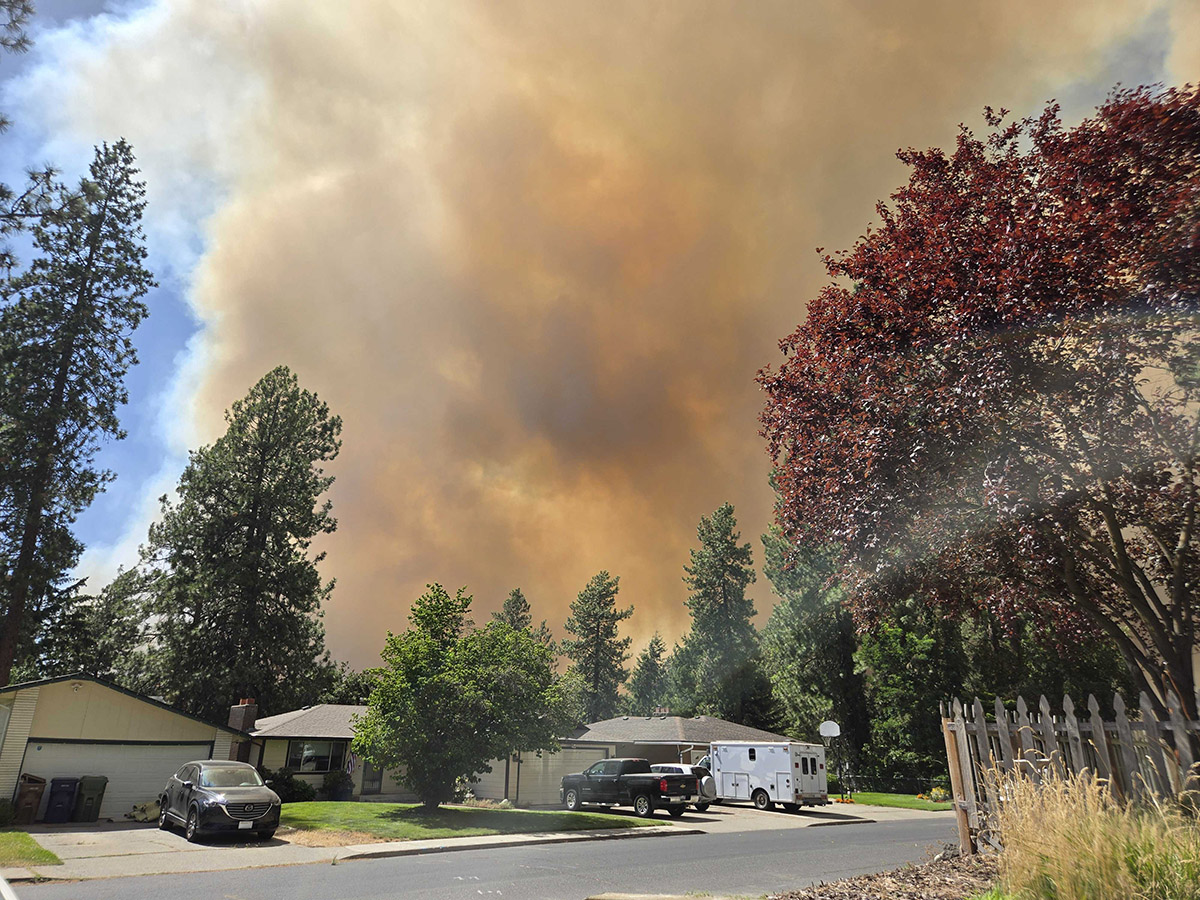
When a wildfire comes close to your community, but the flames never reach your property, it is natural to feel relieved. However, a home does not have to burn to be affected by wildfire. Smoke and fine ash can travel for miles, enter closed buildings and settle on surfaces, inside HVAC systems and throughout personal belongings.
That does not mean every smoky day results in significant property damage. The extent of wildfire smoke damage depends on several factors, including how close the fire was, how long the smoke lasted, whether windows or doors were open, how the HVAC system was operating and what materials were burning.
If you smell wildfire smoke in your house after outdoor conditions improve, knowing what to look for—and what not to do—can help you protect your home, your belongings and the people inside it.
How Can Wildfire Smoke Enter a Closed Home?
Even a well-maintained home is not completely airtight. According to the U.S. Environmental Protection Agency, outdoor smoke can enter a building in several ways:
- Through open doors and windows
- Through bathroom fans, kitchen vents and HVAC fresh-air intakes
- Around window frames, door frames and utility penetrations
- Through small cracks, joints and other gaps in the building envelope
- On clothing, shoes, pets and objects brought indoors
Once inside, smoke particles can circulate through the home and settle onto floors, walls, counters, furniture and belongings. Fine particles may also be collected on HVAC filters or in portions of the system exposed to smoky air.
Homes closer to wildfires may experience visible ash. Properties farther away may have no obvious residue but still develop a lingering smoke odor or unusually dirty filters.
Signs of Wildfire Smoke or Ash Damage Inside Your Home
Wildfire smoke damage is not always immediately visible. After outdoor air quality improves, walk through the home and pay attention to changes that were not present before the smoke event.
Possible warning signs include:

- A persistent smoky, charred or acrid odor indoors
- Fine gray or black dust on windowsills, counters or other horizontal surfaces
- Darkened, heavily soiled or smoky-smelling HVAC filters
- Smoke odor coming from supply registers when the system runs
- Residue around doors, windows or air intakes
- Discoloration or streaking on walls, ceilings or fabrics
- Smoke odor trapped in upholstery, carpet, curtains, bedding or clothing
- Irritation that improves when you leave the building
If anyone is having trouble breathing or experiencing concerning symptoms, leave the affected area and seek guidance from a qualified healthcare provider. A property restoration company can evaluate the building and its contents, but it cannot determine whether a person is medically safe.
Is Wildfire Ash the Same as Ordinary Dust?
No. Wildfire ash may include residue from trees and vegetation, but when homes, vehicles, outbuildings or stored products burn, the debris can contain a much more complicated mixture of materials.
For that reason, visible ash should not be treated like routine household dust. If you find ash inside your home after a wildfire, avoid dry sweeping, using a leaf blower or running an ordinary shop vacuum over the residue. These methods can send fine particles back into the air. Federal cleanup guidance recommends using a properly equipped HEPA vacuum when vacuuming ash and taking precautions to avoid direct contact with the material.
Children and pets should be kept away from ash and active cleanup areas. If the residue may have come from burned structures or if it covers a large portion of the property, professional evaluation and wildfire ash cleanup may be the safer next step.
What Should You Do After Wildfire Smoke Affects Your Area?
| Steps | What to do |
|---|---|
| 1. Wait for outdoor conditions to improve | Do not begin airing out the house while outdoor air quality is still unhealthy. Continue following local emergency and air-quality guidance. When conditions improve, ventilation can help exchange smoky indoor air for cleaner outdoor air. |
| 2. Check your HVAC settings and filter |
During a smoke event, keep windows and doors closed and set the HVAC system to recirculate indoor air when the system allows it. The EPA and AirNow recommend using a high-efficiency filter, such as a MERV 13 filter or higher, if the system can safely accommodate it. Check the filter more frequently during prolonged smoke conditions and replace it when it becomes dirty. If you are unsure which filter or setting is appropriate, consult a qualified HVAC professional rather than installing a filter that may restrict airflow beyond what the system can handle. |
| 3. Document possible damage before cleaning |
For insurance documentation, photograph visible ash, residue, affected rooms, dirty filters and damaged belongings before moving or cleaning them. Write down when the smoke entered the area, how long it lasted and when you first noticed indoor odors or residue. If you believe you may have an insurance claim, contact your insurance carrier for instructions before discarding damaged materials or belongings. Coverage depends on the policy and circumstances of the loss. |
| 4. Avoid aggressive DIY cleaning |
Smoke damage cleanup is not one-size-fits-all. Using the wrong product or technique can spread soot residue, set stains or damage a surface. Do not dry sweep visible ash or use an ordinary vacuum that may exhaust fine particles back into the room. Avoid applying fragrances or odor-masking sprays before residue is removed; they may temporarily cover the smell without addressing its source. If the affected area is small and there is no structural damage or heavy ash, carefully cleaning washable surfaces and laundering affected textiles may be reasonable. Follow manufacturer instructions and test cleaning methods in an inconspicuous area first. |
| 5. Pay attention to persistent odors |
Ventilation and filtration can improve temporary indoor smoke conditions, but an odor that remains after the outdoor smoke clears may indicate residue on surfaces, in porous materials or among the contents of the home. Effective smoke odor removal begins with removing the residue producing the smell. Professional deodorization works best as part of a complete cleaning process; trying to cover the odor without cleaning its source usually will not provide a lasting result. |
Can Smoke-Damaged Belongings Be Saved?
Many items affected by smoke or light ash can be cleaned and restored. Contents restoration after smoke damage can help save items that might otherwise be unnecessarily discarded. The appropriate method depends on the material, the type of residue and the length of exposure.
Items that may be restorable include:
- Clothing, bedding, curtains and other washable textiles
- Furniture and upholstery
- Dishes, glassware and other nonporous household goods
- Appliances and some electronics
- Documents, books and photographs
- Artwork, collectibles and family keepsakes
Delicate items should not be scrubbed or treated with household chemicals without guidance. Electronics should be evaluated before they are powered on if ash or soot may have entered the device.
For widespread contamination, professional contents cleaning may be needed. A contents restoration team can inventory, photograph, pack, clean, deodorize and securely store smoke-contaminated belongings while the home is being cleaned or repaired.
Does Wildfire Smoke Mean Your Air Ducts Must Be Cleaned?
Not automatically. Duct cleaning should be based on the actual condition of the system rather than performed after every smoke event. An HVAC inspection may be appropriate when there are signs of possible HVAC smoke damage, including:
- Smoke odor comes from the registers when the system operates
- Visible ash or debris is present inside accessible registers or returns
- The filter becomes unusually dirty in a short period
- Particles appear to be released from the supply registers
- The system pulled in outdoor air during a period of heavy smoke
The EPA recommends considering duct cleaning when ducts contain excessive dust or debris or when particles are being released into the home. A restoration professional and qualified HVAC contractor can help determine which parts of the system were affected and what action is actually needed.

When Is Professional Wildfire Smoke Cleanup Recommended?
A professional inspection does not automatically mean everything must be removed or replaced. Its purpose is to identify what was affected, determine which materials can be cleaned and develop an appropriate restoration plan.
Professional smoke cleanup may be appropriate when:
- Visible soot or ash is present in multiple rooms
- Smoke odor remains after outdoor air quality improves
- The HVAC system appears to have distributed smoke or residue
- Ash may have come from burned homes, vehicles or other structures
- Walls, ceilings, insulation, carpet or upholstery are affected
- Important documents, electronics, artwork or keepsakes need specialized care
- The property is too large to clean safely or thoroughly on your own
- A household member is especially sensitive to smoke or airborne particles
What Does Professional Smoke and Ash Cleanup Include?
Professional smoke damage cleanup begins with determining what was actually affected. The process varies with each property, but professional fire and smoke damage restoration may include:
- Inspecting the structure, surfaces, HVAC pathways and contents
- Documenting affected areas and belongings
- Preventing residue from spreading into unaffected spaces
- Removing loose particles with professional HEPA-filtered equipment
- Cleaning hard and soft surfaces with methods appropriate for each material
- Packing out and restoring salvageable belongings when needed
- Addressing remaining odors after the residue has been removed
- Coordinating repairs or reconstruction if building materials are damaged
The goal is not simply to make the home smell better. It is to remove the source of the odor, protect salvageable materials and return the property to a clean, usable condition.
Get Fast, Professional Wildfire Smoke Cleanup in Idaho and Washington
Wildfire smoke can affect properties far beyond the active fire line. Communities around Spokane, Weiser and throughout Idaho and eastern Washington may experience smoke, ash and poor indoor air quality even when a building is not directly touched by flames.
Disaster Response provides smoke and fire damage inspection, cleaning, deodorization, contents restoration and reconstruction throughout Idaho, Washington and Oregon. Our teams serve homeowners and businesses from offices including Spokane and Fruitland, which serves Weiser and surrounding western Idaho communities.
If you see ash inside your property, notice a persistent smoke odor or are unsure whether your HVAC system and belongings have been affected, call our 24-hour emergency response team at 844-315-3100 or request service online.
Frequently Asked Questions About Wildfire Smoke Damage
Yes. Smoke and fine particles can enter through openings, gaps and ventilation systems. They may settle on surfaces, affect porous materials, soil HVAC filters and leave odors even when the structure never burns.
Look for a persistent smoke odor, fine residue on indoor surfaces, unusually dirty HVAC filters, odor from supply registers or discoloration around windows and air intakes. Some smoke exposure is not visibly obvious, so persistent odor can be an important warning sign.
Ordinary shop vacuums and household vacuums may release fine particles back into the air. A properly equipped HEPA vacuum is preferred for ash. Avoid dry sweeping or other methods that stir up residue.
Filtration can reduce airborne particles, but it may not remove residue that has settled on surfaces or odors absorbed into porous materials. Persistent odor generally requires the affected materials and contents to be properly cleaned.
Coverage depends on the policy, the cause of the loss and the documented damage. Photograph affected areas and belongings, save relevant records and contact your insurance carrier promptly for instructions.
No. Many hard goods, textiles, furnishings, documents and keepsakes can be professionally cleaned or restored. The decision depends on the item, the type of residue and the severity of exposure.