


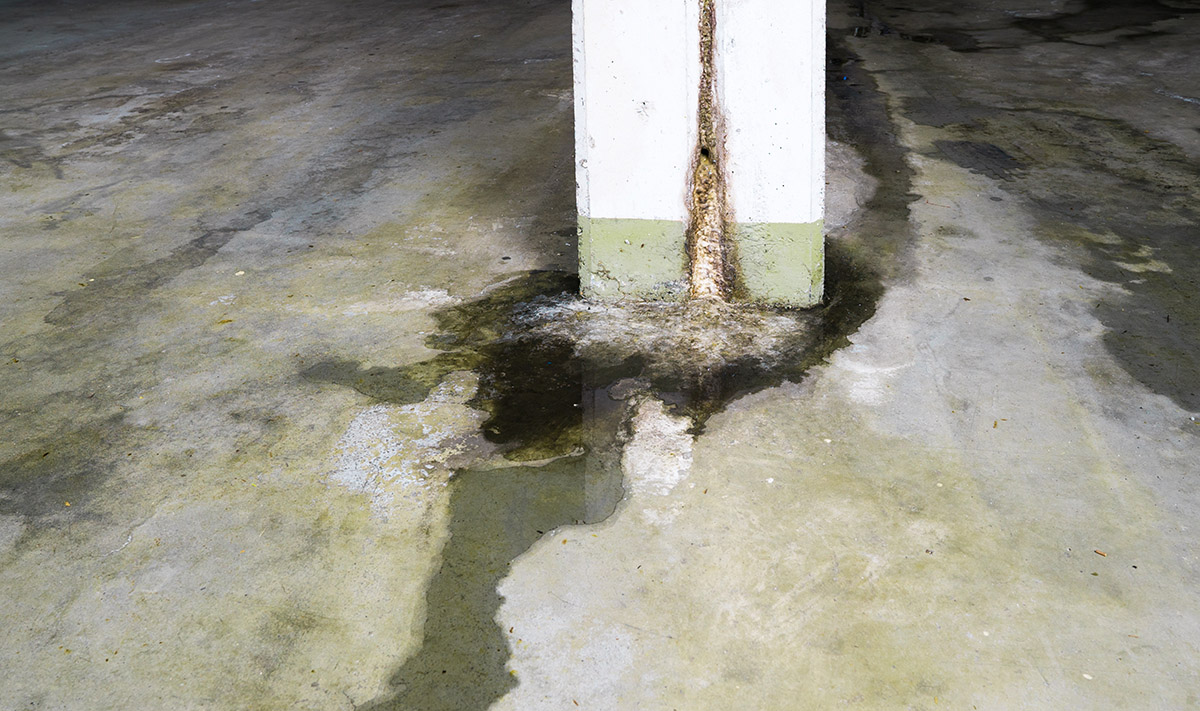
Have you noticed cracks in your foundation or water leaking into your basement? Understanding the signs and causes of foundation water damage can help you take the right steps early.
This guide will walk you through what to look for, what may be causing the issue, and what you can safely address before calling a professional. At Disaster Response, we not only restore your home, but want to help you make confident decisions about protecting your home.
How Water Damage Affects Your Foundation and Weakens Your Home
Foundation water damage can compromise the structural integrity of your home. In severe cases, water intrusion can cause significant harm to the foundation, making foundation repair necessary to protect your house.
Here are ways water damage can affect foundation walls, basement walls, or crawl spaces, weakening your home’s structure over time.
- Plumbing problems or poor drainage: Without proper systems that divert water away from the house, surface water from heavy rain or snowmelt can wash away the soil around the foundation. This shifting of soil is called foundation settlement. When foundation settlement becomes excessive or uneven, it can cause foundation fissures or uneven floors.
- Saturated Soil: In addition to poor drainage, intense or prolonged rainfall can saturate the soil. Saturated soil causes groundwater pressure to build up around the home. This pressure, known as hydrastatic pressure, pushes against the basement walls and foundation walls, leading to foundation cracks and basement wall leaks.
- Soil Type: In areas where expansive clay soil is common, the clay expands when it absorbs water and shrinks when it dries. The repeated movement can lead to structural stress and cracks in basement floors or foundation walls.
- Water Intrusion: Whether it’s from rainfall, floods, or a high water table, water intrusion happens because concrete foundations contain small pores that allow water to seep into the material. Over time, the moisture exposure can weaken concrete. This leads to water damage to concrete foundation structures.
- Mold and Material Decay: Damp environments in basements or crawl spaces can encourage mold growth. When mold and persistent moisture combine, wood components can rot, weakening framing materials.
If left untreated, foundation water damage can progress from small leaks to major structural problems.
How Long Does Water Take to Damage a Foundation?
Tiny cracks can appear after heavy rain or poor drainage. As more water gets in, the cracks can grow bigger. Within one to two weeks, homeowners may notice walls warping, uneven floors, or leaning structures. In extreme cases, your foundation can shift or fail in 72 hours. By noticing early signs, you can act quickly on DIY repairs.

Timeline and Signs of Foundation Water Damage
Water damage to your foundation can take many forms. However, learning to recognize the signs of water damage and its progression can help intervene early to minimize the impact.
| Sample ID | Heading 1 |
|---|---|
| 0–3 Days |
|
| 3–7 Days |
|
| 1–2 Weeks |
|
| 2–3 Weeks |
|
| 3+ Weeks |
|
Repairs You Can Do When There Are Signs of Water-Damaged Foundation
Small cracks can be sealed with hydraulic cement. Bowing walls can be stabilized with wall anchors or carbon fiber straps. If water has accumulated around the basement walls or foundation, exterior waterproofing and drainage interventions can reduce soil moisture pressure and stress on foundation walls.
However, the most effective way to address foundation water damage is with professional help. Foundation repair is complicated and dangerous, and a homeowner can risk more damage if it goes wrong. By contacting a 24-hour response service, such as Disaster Response, you can address foundation water damage as soon as you notice signs of it.

Prevent Basement Flooding: What to Do If You Find Foundation Water Damage
Protecting your home foundation from water damage starts with knowing where it starts and taking proactive steps to minimize the risks from there.
Gutters and Downspouts
Your gutter system plays a critical role in protecting your foundation. When gutters or downspouts are clogged, damaged, or improperly positioned, surface water can collect near the foundation, increasing the risk of leaks, cracks, and water damage.
Preventive Measures:
-
Keep gutters clean and free of debris
Regular cleaning helps ensure water flows properly through the system. Homeowners can handle routine maintenance, or a professional can provide thorough cleaning and inspection. -
Ensure downspouts direct water away from the foundation
Downspouts should extend several feet away from your home to prevent water from pooling near foundation walls or basement walls, reducing the risk of hydrostatic pressure and water intrusion. -
Inspect for damage or improper drainage
Look for sagging gutters, leaks, or disconnected sections that may allow water to spill near the base of your home.
Landscaping
Your yard plays an important role in protecting your home from foundation water damage. When grading slopes toward the house, surface water can collect around the foundation walls, increasing the risk of leaks, cracks, and long-term structural damage.
Preventive Measures:
-
Adjust grading to direct water away from your home
The ground around your foundation should slope away from the structure to prevent water from pooling. A proper slope helps reduce hydrostatic pressure and protects against water intrusion. -
Maintain proper yard slope
As a general guideline, your yard should slope at least 6 inches over a 10-foot span away from the foundation. This helps ensure water flows away rather than settling near the home. -
Install exterior drainage solutions
Systems such as French drains or other drainage solutions can help manage excess water and redirect it safely away from the foundation.
Plumbing Leaks
Leaks from supply lines, drains, or fixtures may go unnoticed for long periods, allowing moisture to accumulate in foundation walls, basements, or crawl spaces. Over time, this constant exposure can weaken materials, contribute to water damage, and lead to costly repairs.
Preventive Measures:
-
Inspect water lines and drainage pipes regularly
Check for signs of corrosion, loose connections, or slow leaks. Addressing issues early helps prevent moisture from saturating structural materials and causing long-term damage. -
Repair leaks promptly
Even small leaks can cause significant problems if left unchecked. Quick repairs help reduce the risk of foundation damage, mold growth, and the need for remediation. -
Ensure toilets and fixtures are properly sealed
A poorly sealed toilet or fixture can allow water to seep into flooring and substructures, eventually impacting the foundation. -
Watch for early warning signs inside the home
Dark spots on floors, ceilings, or walls may indicate hidden leaks. Musty odors, damp areas, or unexplained moisture should be inspected promptly.
Basement or Crawl Space Humidity
Excess moisture in your basement or crawl space can quietly contribute to foundation water damage. High humidity levels lead to condensation on foundation walls and basement walls, creating a damp environment that promotes mold growth and gradually weakens structural materials.
Preventive Measures:
-
Monitor for signs of moisture and water damage
Regularly check for damp surfaces, musty odors, visible mold, or discoloration. These are often early indicators that moisture is building up and affecting your home. -
Address humidity before it leads to larger issues
Persistent damp conditions can lead to mold growth, rotted wood components, and long-term structural damage, especially in enclosed spaces such as crawl spaces. -
Install a complete waterproofing system
A reliable system may include interior drainage, a sump pump, and a dehumidifier to control moisture and redirect water away from the foundation. -
Maintain your waterproofing and drainage systems
Regular inspection and upkeep ensure these systems continue to protect against groundwater pressure and water intrusion.
Request Service for Water Damage Foundation and Basement Repair
Foundation water damage can lead to serious, unsafe living conditions if left unchecked. By recognizing the early signs of water damage, you can take action before the problem worsens and affects your home’s structural integrity.
While small, hairline cracks may be sealable, most signs of foundation water damage require professional inspection and repair to ensure the issue is fully resolved.
At Disaster Response, our team is available 24/7/365 to respond when you need help most. We provide complete damage restoration, foundation repair, and cleanup services, working to restore your home—and your peace of mind—as quickly as possible.
Request service today. Let us help return your foundation to a safe, stable condition, and often better than before.
Frequently Asked Questions
Some homeowner insurance covers foundation damage when it’s caused by a covered risk that is sudden and accidental, not gradual. Common risks can include accidental discharge of water or steam, hail, windstorms, and explosions. Excluded risks can include normal wear and tear, flooding, sinkholes, mudslides, earthquakes, and sewer backups.
The national average foundation repair cost ranges from $2,224–$8,134, with a median of $5,179 per project.
A professional foundation inspection is recommended every 3-5 years, or immediately if there are signs of water-damaged foundation.