


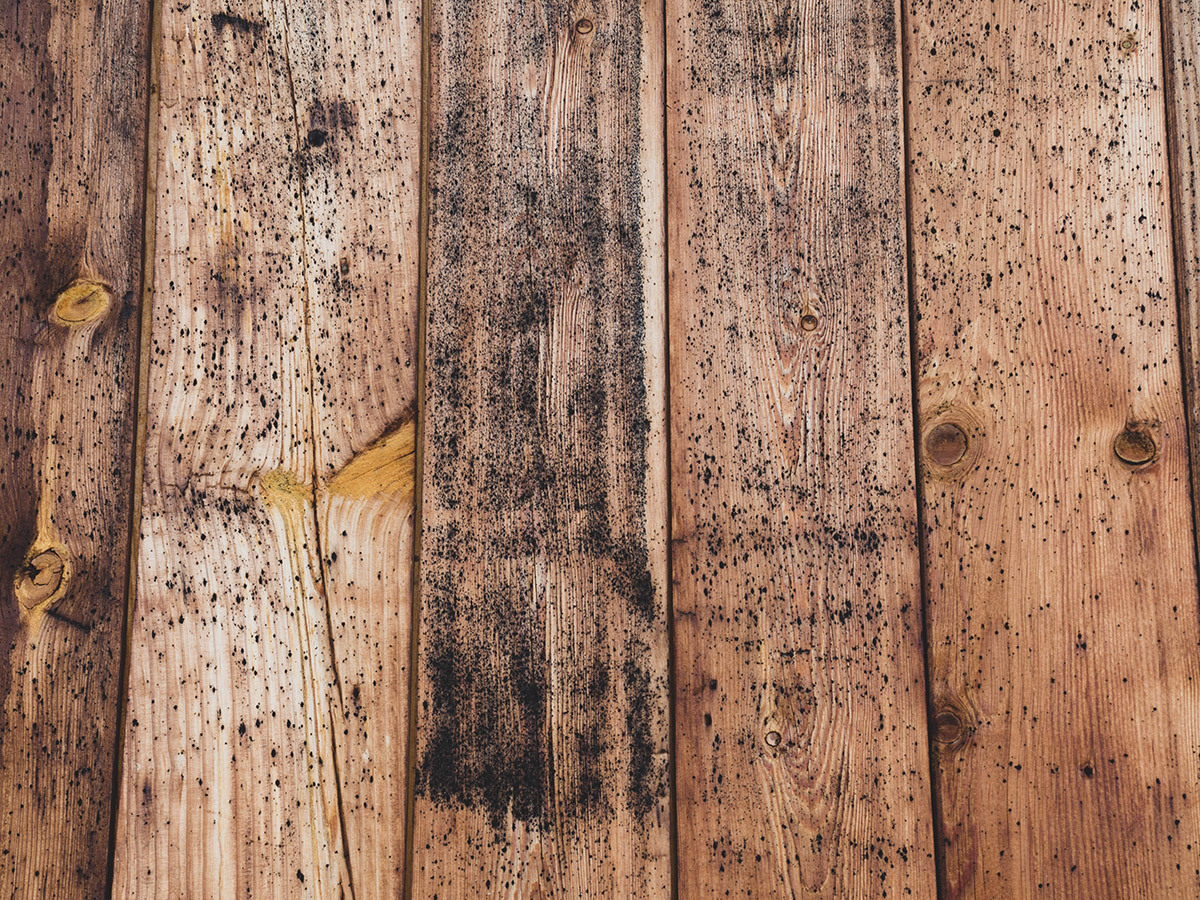
Homes in the Pacific Northwest are often sealed tight for winter, leading to poor ventilation and condensation on windows and in closets. As the weather warms in March, mold begins to bloom. Prevent spring spores in your home with mold remediation services specifically designed for the Pacific Northwest.
What is Mold?
Mold is a naturally occurring fungus in the Pacific Northwest, especially during seasons of high moisture levels. The spring season brings increased rainfall, fluctuating temperatures, and higher humidity levels. These environmental conditions create ideal opportunities for spring mold to develop.
What Causes Mold?
Mold often forms when water damage occurs or when moisture accumulates inside the home:
- Leaking pipes
- Roof leaks
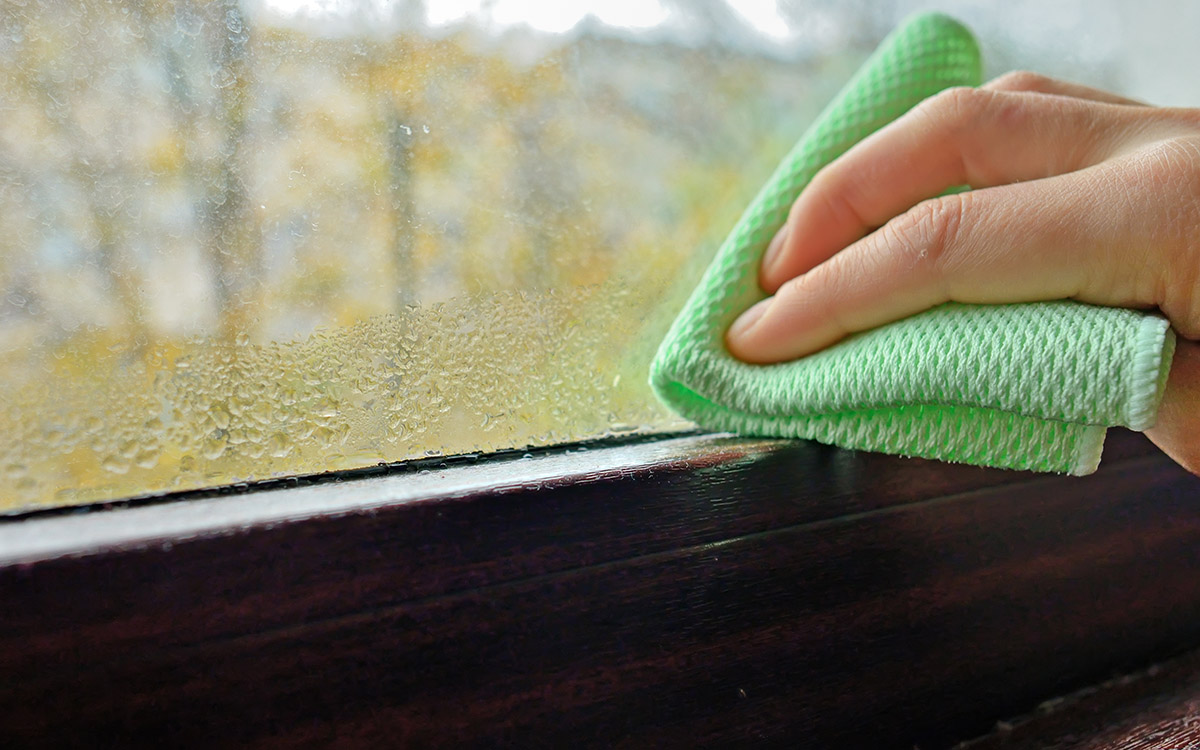
- Condensation forming on windows
- Poor ventilation in attics and crawl spaces
If left untreated, mold can spread throughout the structure, leading to water and structural damage and affecting indoor air quality. The Environmental Protection Agency (EPA) recommends professional mold remediation and damage restoration services for infestations that cover more than 10 square feet.
What are Signs of Mold in a Home?
Mold on walls or drywall is not always immediately obvious. In many homes, especially in damp Pacific Northwest climates, mold may begin as a small patch before spreading into larger affected areas. Recognizing the early warning signs can help homeowners address mold growth before it requires extensive remediation.
Common signs of mold on interior walls and drywall include:
- Visible discoloration or staining: Mold can appear in many colors, textures, and patterns. Some varieties may look white and fuzzy, while others appear as dark stains that do not easily smudge or wipe away.
- Persistent musty odors: A damp, earthy smell can indicate active mold spores circulating through the air, even when mold is not clearly visible.
- Dark or discolored grout lines: In bathrooms and other moisture-prone areas, mold may appear as dark buildup between tiles or along grout lines.
In some cases, physical symptoms can also signal the presence of mold inside the home, including:
- Frequent headaches
- Breathing problems
- Worsening asthma symptoms
- Allergic reactions, such as sneezing or a runny nose
If these signs appear, a professional inspection can help identify the source of the problem and determine whether mold remediation is necessary to restore healthy indoor conditions.

Solutions Offered by Disaster Response: Professional Mold Remediation Services
At Disaster Response, we provide professional mold remediation and damage restoration services to protect your home and restore safe living conditions. When mold is discovered, our team responds 24/7/365 and begins a structured remediation process.
Indoor Air Quality Testing and Mold Detection
At Disaster Response, we use multiple methods to detect mold spores and evaluate the extent of mold growth within the home. Our inspection and testing process may include:
- Visual inspection of moisture-prone areas throughout the property
- Identifying visible mold on surfaces such as drywall, insulation, and wood
- Assessing humidity levels to determine whether conditions support continued growth
- Conducting air and mold testing to measure airborne spores
Testing helps determine how far mold may have spread into affected areas, allowing us to recommend the right mold solutions and remediation process.
Attic Mold Removal
Attic mold is one of the most common mold problems in the Pacific Northwest, driven by high humidity, seasonal rain, and poor ventilation. Moisture can build up from condensation or roof leaks, promoting mold growth on attic materials, such as insulation and roof sheathing.
Over time, untreated attic mold can spread into surrounding areas, potentially impacting the home’s structure.
Our attic mold removal and remediation services are designed to safely eliminate contamination and prevent the spread of mold spores. Depending on the situation, we tailor mold removal solutions, including:
- Attic mold cleanup and removal of contaminated materials
- Moisture control improvements to prevent mold from returning
- Mold encapsulation, which involves applying a protective antimicrobial coating to attic wood surfaces such as roof sheathing, to prevent mold growth.
Removing Mold from Walls and Drywall
In the Pacific Northwest, mold on interior surfaces is common due to persistent moisture during spring. Condensation that forms on windows, leaks, and other surfaces, as well as water damage, can allow mold spores to settle on walls and ceilings. When moisture remains on building materials, mold can grow quickly, often within 24-48 hours in damp environments.
Typically, homeowners may attempt to remove visible mold with vinegar or bleach. However, drywall, insulation, and similar materials are porous. They allow the mold’s root system, called the hyphae, to penetrate deep into the material.
If mold has penetrated the material, the most effective remediation process often requires removing the affected structures. At Disaster Response, our mold removal specialists evaluate the severity of the problem and determine whether materials can be treated or must be replaced.
Our professional mold remediation services include some of the following:
- Sample wall testing
- Identifying and isolating affected areas
- Removing unsalvageable drywall or building materials
- Addressing the source of moisture or water damage
- Treating surrounding surfaces with antimicrobial solutions such as mildicide
- Restoring the structure through complete damage restoration services
- Mold cleanup of belongings with our state-of-the-art contents restoration facility
Black Mold Removal and Safe Treatment
With increased cases of black mold across Idaho, Oregon, and Washington, black mold remediation is more vital than ever.
Black mold (Stachybotrys chartarum) thrives during humid seasons, especially in damp environments where water damage, leaks, or poor ventilation promote mold growth. This type of mold can appear as dark green or black patches on materials such as drywall, insulation, carpeting, or wood.
Exposure to high concentrations of black mold spores can contribute to a range of health concerns, especially among those with asthma or weakened immune systems.
With these risks, black mold removal should always be handled with proper containment and professional safety procedures. At Disaster Response, our certified mold remediation specialists provide professional mold remediation designed to safely eliminate contamination while protecting the rest of the home.
Reach Out to Disaster Response for Immediate Action 24/7
As humidity rises every spring, homes are at risk of getting mold infestations, threatening their structural integrity and your family’s health. Professional mold remediation and damage restoration services are vital for safely removing mold and restoring your home to livable conditions. Contact Disaster Response today for a speedy response within 24 hours.
Frequently Asked Questions
In the Pacific Northwest, damp weather during the spring season can increase indoor humidity and allow mold spores to spread. Managing airflow and moisture inside your home is one of the most effective ways to prevent mold and limit mold growth in moisture-prone areas.
Homeowners can take several simple steps to improve ventilation and reduce humidity:
- Seal gaps around windows and doors: Use caulk or weatherstripping to seal openings that allow moisture and outside air to enter the home.
- Use exhaust fans in kitchens and bathrooms: These areas produce large amounts of humidity. Running exhaust fans helps remove moist air and keeps surfaces dry.
- Open windows when weather permits: Allowing fresh air to circulate helps reduce indoor humidity and encourages natural airflow throughout the home.
- Keep vents clear and unobstructed: Ensure furniture, storage items, or insulation are not blocking vents so air can move freely through the house.
- Choose the right HVAC or dehumidification system.
Select a system sized for the areas you want to control. Placing it in a central location improves coverage. Routine maintenance, such as cleaning filters and emptying water collection trays, helps it operate efficiently.
Exposure to large concentrations of black mold in a home can cause the following, including:
- Coughing.
- Nasal congestion.
- Postnasal drip.
- Sneezing
- Red eyes.
- Increased sensitivity in individuals with asthma or weakened immune systems, leading to shortness of breath, wheezing, chest tightness, and dry cough