


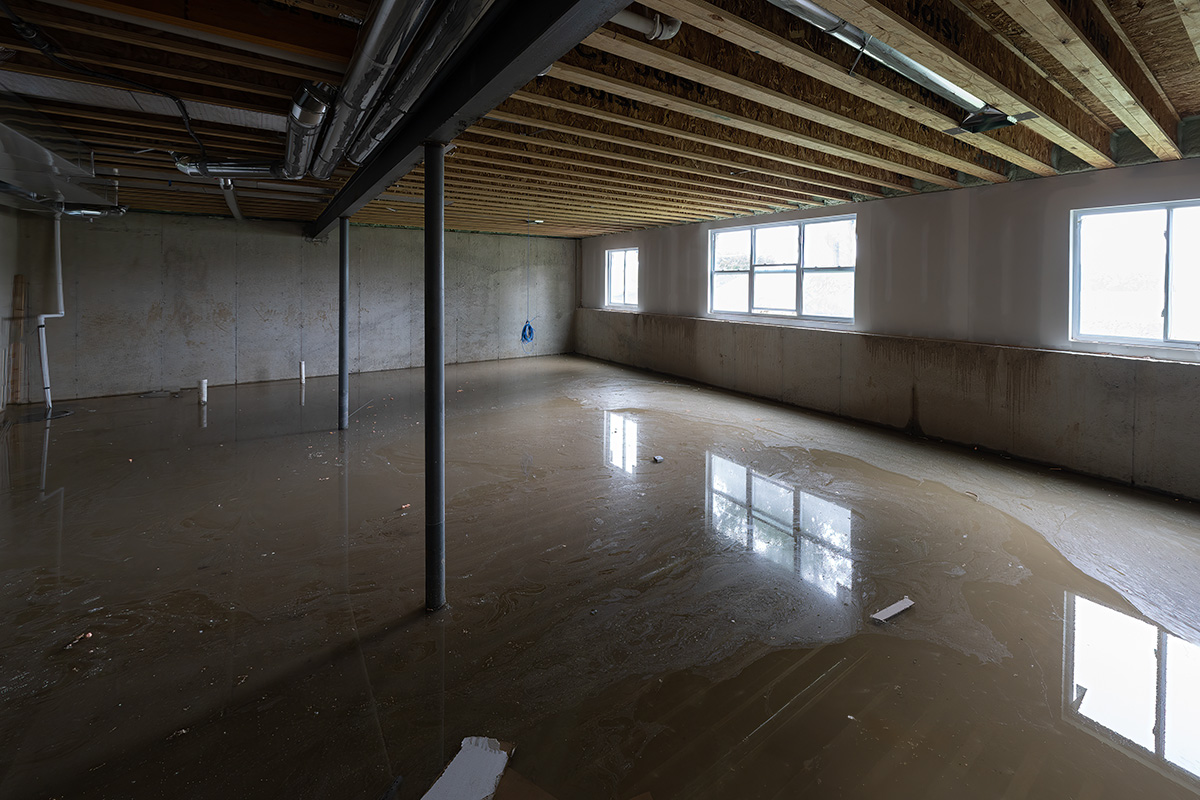
March is notorious for heavy rain and “atmospheric rivers” in the Pacific Northwest. During this season, it’s vital that your sump pump system performs efficiently and keeps your home dry.
What Your Sump Pump Does for Your Home
Your sump pump is designed to move water away from your home’s foundation. By redirecting the water through the discharge line, it helps protect your basement, crawl space, and your home’s structural supports.
The system collects water in the sump pit or basin. Inside the basin is the float switch that activates the pump motor once the water reaches a certain level. Through this automatic operation, the system prevents sump overflow.
Idaho, Oregon, and Washington are prone to heavy rain or snowmelt. This climate impacts homes, making your sump pump critical in preventing sump-related flooding and long-term water damage.
When your sump pump is functioning properly, it helps keep your basement and the surrounding area free from excess moisture. It reduces the risk of mold, structural deterioration, and costly repairs. To ensure its optimal performance, regular pump maintenance is vital.
Common Sump Pump Problems and How to Prevent Them
Your sump pump protects your home and your peace of mind as a homeowner. Here are the common sump pump problems you can anticipate and how you can prevent them.
Power Outages
Power outages are one of the leading causes of sump pump failure. When heavy storms occur, that’s when your sump pump is needed the most. However, most sump pumps rely on a standard electrical outlet. Without electricity, the motor cannot operate. A power failure to this sump pump can result in sump overflow.
-
- Prevention tip: Install a sump pump battery backup or secondary backup pump system. A properly installed battery backup system keeps your sump pump running during power outages, helping prevent sump-related flooding and structural damage.
Stuck Float Switch
A stuck or obstructed float switch can prevent your sump pump from activating when water levels rise. It can also cause the sump pump to run continuously. Both situations can strain the pump motor. The former can cause basement flooding. The latter can cause overheating and premature failure.
-
- Prevention tip: Regularly check the float switch for unrestricted movement. Keep your sump pit clean of any debris that could interfere with operation.
Old, Neglected Pump
Like any mechanical system, your sump pump has a limited lifespan. Most sump pumps last 7 to 10 years with average use. Frequent operation may shorten that range to 5 to 7 years. An aging pump is more susceptible to sudden sump pump failure.
Over time, internal components wear down, reducing the pump’s efficiency and reliability. Homeowners may not notice declining performance until water damage has already occurred.
-
- Prevention tip: Test your sump pump twice a year by pouring water into the sump pit to confirm it is operating properly. The pump should activate automatically, remove the water efficiently, and shut off once levels drop. An annual inspection by a qualified plumbing professional is recommended to evaluate overall condition, ensure proper installation, and identify repair needs before a failure occurs.
Motor Burnout
Motor burnout occurs when the pump motor overheats and shuts down. This is typically caused by voltage fluctuations or excessive strain. When this happens, sump pump failure can occur without warning.
An undersized or poor-quality sump pump may struggle to keep up if water enters the sump basin faster than it can be removed. When the system runs continuously, it places ongoing stress on the motor, shortening the unit’s lifespan.
-
- Prevention tip: Ensure proper installation with a correctly sized sump pump for your home’s needs. Place an alarm for sump pump failure or flood alarm near the sump pit to alert you if the pump becomes overwhelmed or stops working.
Clogged Sump Pumps and Switches
A sump pump system without a secure lid allows dirt, gravel, and debris to enter the sump pit over time. This buildup can interfere with the pump’s operation and contribute to sump pump problems.
-
- Prevention tip: Keep your sump pit clean and remove any debris that could interfere with proper operation. Regular cleaning and routine pump maintenance help prevent sump system blockages and reduce the likelihood of unexpected failure.
What Happens When You Ignore a Failed Sump Pump
If any of the common problems mentioned above occur and are not addressed, sump pump failures can cause the following:
- Basement flooding: first and most visible consequence of sump pump failure. When your sump pump stops working, water continues to collect in the sump pit until it overflows into the basement or crawl space. A flooded basement can quickly escalate, damaging flooring, drywall, insulation, and personal belongings.
- Mold and mildew growth: Mold and mildew begin within 24–48 hours after water intrusion. Ongoing moisture in the basement creates ideal conditions for mold to spread, affecting indoor air quality and posing health risks to your household.
- Structural damage: Home structural damage poses a serious risk when water repeatedly saturates your foundation and the surrounding area. Prolonged exposure weakens concrete, framing, and support structures. Over time, this can compromise the stability of your home and lead to significant repair needs.
- Increased repair costs are almost inevitable when sump pump problems are ignored. What may begin as a simple pump repair or battery backup installation can escalate into extensive water damage restoration, mold remediation, and structural repairs. By acting quickly, you can prevent sump-related damage from becoming more severe and costly.
When your sump pump fails, the impact can extend far beyond a wet floor. Prompt attention, regular pump maintenance, and early intervention are essential to protecting your home from avoidable damage.
Contact Disaster Response for Water Damage Restoration Services
With the coming rainy season, your sump pump is more vital than ever for protecting your home from basement flooding and costly repairs. If your home has already experienced water damage or mold growth, contact Disaster Response 24/7 at 844-315-3100 for professional water damage restoration and mold remediation services.
Frequently Asked Questions
What Is the Proper Way to Maintain My Sump Pump?
Before the wet season arrives in the Pacific Northwest, regular sump pump maintenance is essential to help protect your home from water damage. A properly maintained system helps prevent unexpected failures when heavy rain and groundwater levels rise.
Here are key steps homeowners can take to keep their sump pump working reliably:
-
- Pump Testing: Test your sump pump by slowly pouring a bucket of water into the basin. The pump should activate automatically once the water reaches the set level and discharge the water efficiently. If it doesn’t turn on or fails to remove water properly, the pump may be clogged or malfunctioning. Contact a qualified professional for service if needed.
- Pump Cleaning: Always unplug the pump before maintenance. Check the basin and remove debris, dirt, or sediment that could block drainage or restrict airflow within the system. Regular cleaning helps prevent clogs and improves overall performance.
- Replace Worn Parts: Inspect components for signs of wear, especially the float switch, which often needs to be replaced every 2 years. Worn or damaged parts can prevent the pump from activating when you need it most.
- Install a Battery Backup: Power outages often happen during severe storms. Installing a battery backup helps ensure your sump pump continues to operate even when power is lost, reducing the risk of basement flooding.
- Check the Water Discharge Area: Confirm that discharged water flows at least 20 feet away from your home’s foundation. Make sure the discharge line is clear and free of obstructions so water can drain safely away from the property.
What Are the Signs That My Sump Pump Needs to Be Replaced?
Your sump pump plays a critical role in protecting your home from water damage, especially during periods of heavy rain. When it begins to fail, early warning signs should not be ignored. Replacing a malfunctioning unit before it stops working entirely can help prevent costly flooding and restoration needs.
Here are common signs your sump pump may need to be replaced:
-
- Unusual Vibrations: Excessive or unusual vibrations during operation often indicate a damaged or misaligned impeller. If debris has bent or broken internal components, the pump may struggle to move water effectively.
- Age of the Unit (7–10 Years Old): Most sump pumps have an average lifespan of 7 to 10 years. If your system is within or beyond this range, replacement may be more reliable than continued repairs—particularly before the wet season begins.
- Continuous Operation: If your sump pump runs non-stop, even when water levels are low, it may be improperly sized, have a stuck switch, or be experiencing internal failure. Continuous operation can quickly burn out the motor.
- Failure to Activate: If the pump does not turn on when water reaches the predetermined level, the float switch or internal mechanism may be malfunctioning. This issue can leave your home vulnerable to sudden flooding.
- Visible Rust or Corrosion: Rust, corrosion, or mineral buildup on the unit can interfere with performance and signal that internal components are deteriorating.
- Irregular Operation: Inconsistent cycling—turning on and off unpredictably—can indicate electrical issues or mechanical wear that may require replacement rather than repair.
How Often Should I Test My Sump Pump?
At a minimum, your sump pump should be inspected and tested once a year to ensure it is functioning properly. Annual testing helps identify worn components, float-switch issues, or drainage concerns before they cause water damage.
For homes in areas prone to heavy rain (such as throughout Idaho, Oregon, and Washington), monthly testing is strongly recommended, especially during the wet season. More frequent checks provide added protection when groundwater levels rise, and your system is working hardest.